
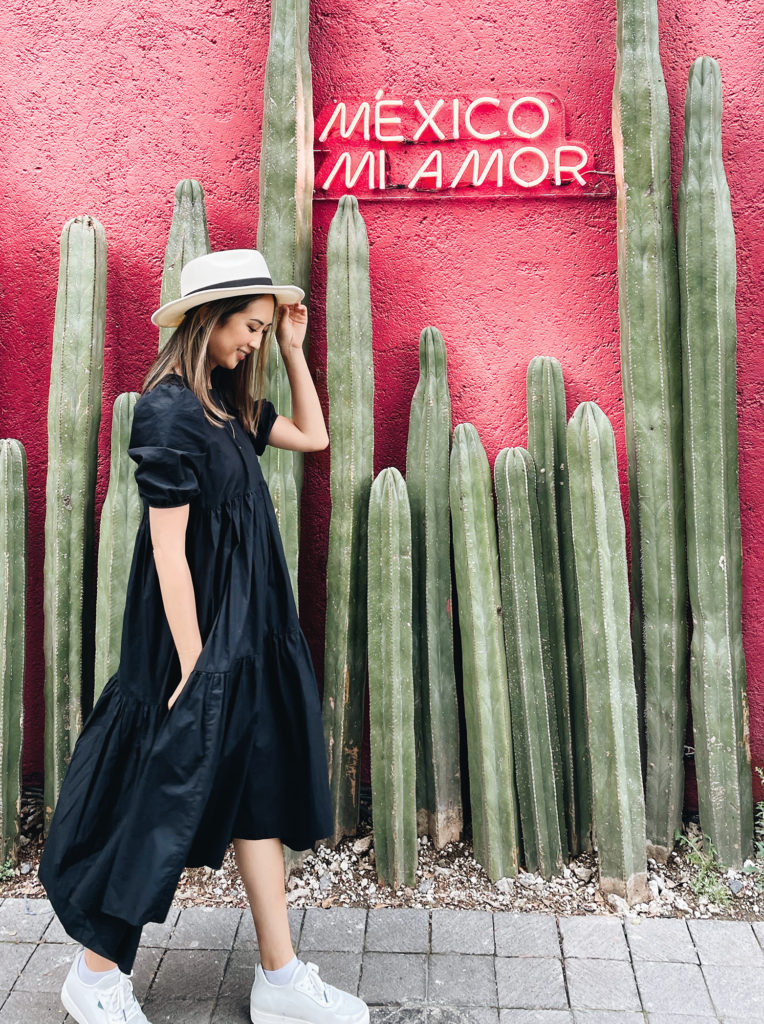
Wondering about—or planning a trip to—Mexico City? I’ve got you covered with this first-timer friendly Mexico City travel guide covering where to stay, what to eat, how to get around, and helpful tips to feel confident visiting CDMX. (Last updated January 2026)
QUICK LINKS: Why visit CDMX | How safe is it? | What is the elevation? | Best time to visit | How many days in CDMX? | Can I speak English there? | Getting around the city | Will my cell phone work? | Currency exchange info | Tipping guide | Will the food make me sick? | Will the water make me sick? | Neighborhood guide | Neighborhoods to avoid | Where to stay | Are there earthquakes? | Most surprising things about CDMX | My Google Map of recs
Why visit Mexico City?
Mexico City, also known as Ciudad de México and abbreviated as CDMX, is a vibrant city that offers amazing food, culture, history and plenty of indoor and outdoor activities that will appeal to everyone! Unlike the country’s more common beach destinations like Cancun and Puerto Vallarta, CDMX really will give you a taste of what Mexico is really about. Colorful buildings, tree-lined streets, plazas and parks will compel you to keep walking from neighborhood to neighborhood. Local markets and taco stands at every corner will expand your mind and teach you there’s so much more to Mexican food than you ever knew.
I’ll be honest, before I saw friends post about Mexico City, I never considered it to be a place I needed to visit. The media said it’s dangerous, after all. But then I got to thinking: if that was the truth, then why are there so many expats living there? Why would anyone travel there at all? I decided then that I wanted to see the city for myself and form my own opinions. I’m so glad I did; my first trip was 3-weeks long, my second was 2 months, and now, as of March 2022, I live here!
At a glance
Airports: Mexico City International Airport (airport code MEX) and Felipe Ángeles International Airport (airport code NLU). MEX is closer to the city but old; NLU opened in 2022 and beautiful, but 1.5 hours away. I do NOT recommend flying in/out of NLU, even if the airline tickets are cheaper; stick to MEX.
Currency: Peso ($ MXN)
Language: Spanish
Visa: Not needed if you have a valid passport from the United States of America, Canada, Japan, United Kingdom or any of the countries comprising the Schengen Area
Is Mexico City safe?
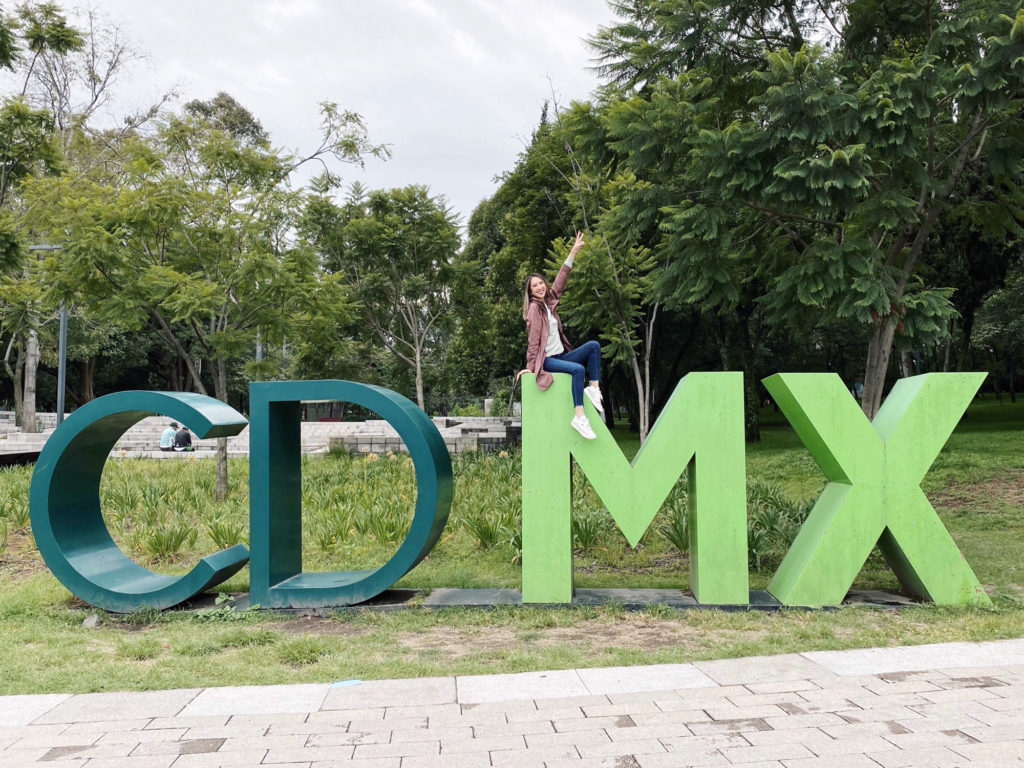
Ah, the most common question I was asked. In a word, YES, even for solo travelers. CDMX is like any big city. There are good neighborhoods and bad ones (more on this further down), and as long as you have some level of street-smarts, you’re going to be just fine.
What are your biggest safety tips, especially for solo female travelers?
Do NOT put your bag on the back of your chair when you’re at a bar or restaurant. I know better than to do this, but I got complacent in March 2025 and my bag was stolen—with my phone and wallet inside. See my video of how it happened and read the caption so you can learn from my mistake!
The safest CDMX neighborhoods are Roma Norte, Condesa, Polanco, and Coyoacán. There are lots of tourists and foreigners around those areas, and while I always have a hand on my crossbody bag at all times, I have felt like I was in danger of being pickpocketed. I spent a couple hours solo in Centro around dusk and it was also fine, but it was much more crowded (especially at the Zocalo), so I naturally had some heightened awareness there.
If you’re riding solo in an Uber and the driver asks you if you are traveling alone, I would encourage you to lie and say you’re either meeting your boyfriend or friends just to be cautious. But honestly, in all my time here, most drivers don’t talk to you at all!
My last suggestion for female travelers is to share your location with someone back home (or someone in CDMX if you know anyone) just as an extra layer of precaution. It may sound a bit extra, but I would recommend this for a solo female traveler in any foreign country.
What is the elevation in Mexico City?
CDMX has an altitude of 7,382 ft (for comparison, Denver, Colorado is 5,280 ft) and I had a headache and was out of breath easily when walking around and climbing a lot of stairs in the first few days upon landing.
If you have any symptoms of elevation sickness, stay extra hydrated and avoid alcohol. I recommend a light itinerary for the first 2 days of your visit, since elevation can affect everyone differently. Picking up a few Electrolit Zero’s from your local convenience store at the beginning of your trip will also be a good idea.
The sun also feels hotter here—because it is!—and sunblock is absolutely required.
When’s the best time to visit Mexico City?
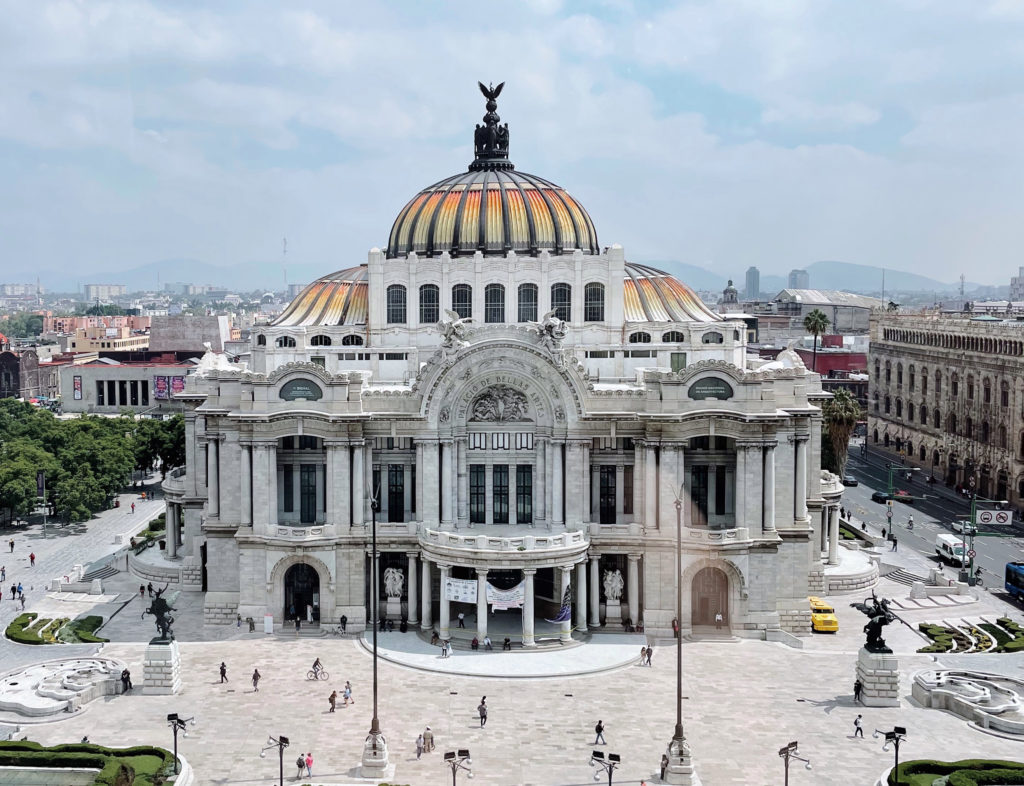
Honestly, there’s no real “bad” time to visit. Mexico City has good weather all year round, but it’s worth mentioning that global warming has really been changing the weather patterns here in recent years.
That said, historically the hottest months have been April and May (high-80’s during the day, mid-60’s at night) and the coolest have been December and January (low-70s during the day, 40’s at night).
Rainy season is generally late May through October, during which you will always have a lovely morning and daily rain for a few hours in the late afternoon or evening.
If you want to see the jacaranda trees bloom (I highly recommend), go mid-March.
How many days do I need to visit Mexico City?
I stayed for 3 weeks during my first trip (working remotely on weekdays) and I still didn’t have time to see everything CDMX had to offer! But if you are able to take time off, I would recommend at least 5 full days, especially if you want to take any day-trips out of the city.
How much English is spoken in Mexico City?
Not that much, but it depends on the neighborhood you’re in. Some restaurants (usually the nicer ones in Roma, Condesa and Polanco) will have English-speaking servers and possibly even English menus, but don’t count on it. In my experience, grocery stores, pharmacies, most retail stores and Uber drivers only speak Spanish. I would suggest learning the following words and phrases, and for everything else you can always use Google Translate.
COMMON WORDS & PHRASES
Hola – Hello
Buenas días / tardes / noches – Good morning / afternoon / evening
Huesta luego – See you later
Adiós – Bye
¿Cómo estás? – How are you?
Bien / muy bien – Good / very good
Gracias / muchas gracias – Thank you / thank you very much
Por favor – Please
¿Dónde está el baño? – Where is the bathroom?
Yo no hablo español – I don’t speak Spanish
Aquí – Here
Sí – Yes
RESTAURANT-RELATED
Comida – food
Bebida – drink
Desayuno – breakfast
Propina – tip/gratuity
La cuenta – the bill
Más diez/quince por ciento – Plus 10/15% (said when you want to add 10 or 15% gratuity to a credit card payment)
What’s the best way to get around Mexico City?
Walk when you can and take Ubers to everything else. 95% of my Ubers range from $3-6 USD, depending on the time of day and where I’m going. My most expensive rides are to/from the airport, coming in at around $10-15 USD each way.
Public transportation is a cost effective option in CDMX and I recommend it for seasoned public transit users. It’s 5 pesos per ride via the bus and train; 7 pesos for the cablebús. I’ve only used it a handful of times, but my biggest tips are to watch your bags and pockets, and avoid riding during peak hours. If you are a solo woman (or traveling with a group of women or children) and you want to take the metro train, look for the “solo mujeres y niños” sign for the women and children-only metro cars! These special cars will be the very first cars of the train every time.
I would avoid taxis, especially since Ubers are so affordable and safeguard against dishonest drivers. But if you must take a cab, only take the ones from the airport (they’re yellow). I’ve heard stories of scams from the city taxis (they’re pink) where they quote one price but then charge you way more upon arrival.
The last option is to rent a public bike. The 1-day rate is 127 pesos (~$7 USD) and requires you to register for an account in advance before going to any of the bike stands. There are stands all over the city, but depending on the time of day and where you are, there may not be a lot of bikes available. Otherwise, this is a really convenient way to get around the city without always relying on Ubers!
Will my cell phone work there?
I can only answer for AT&T since that’s the carrier I use, and yes, with an AT&T Unlimited plan, your phone will work in Mexico. You won’t have to do anything but turn Roaming on once you land in CDMX. (If you use another carrier, I would give them a call and see what your options are.) That said, cell phone reception isn’t always the best in Mexico, and I relied on wifi whenever possible. Most restaurants have wifi, so just ask for the password.
What is the currency in Mexico City? Can I use US dollars?
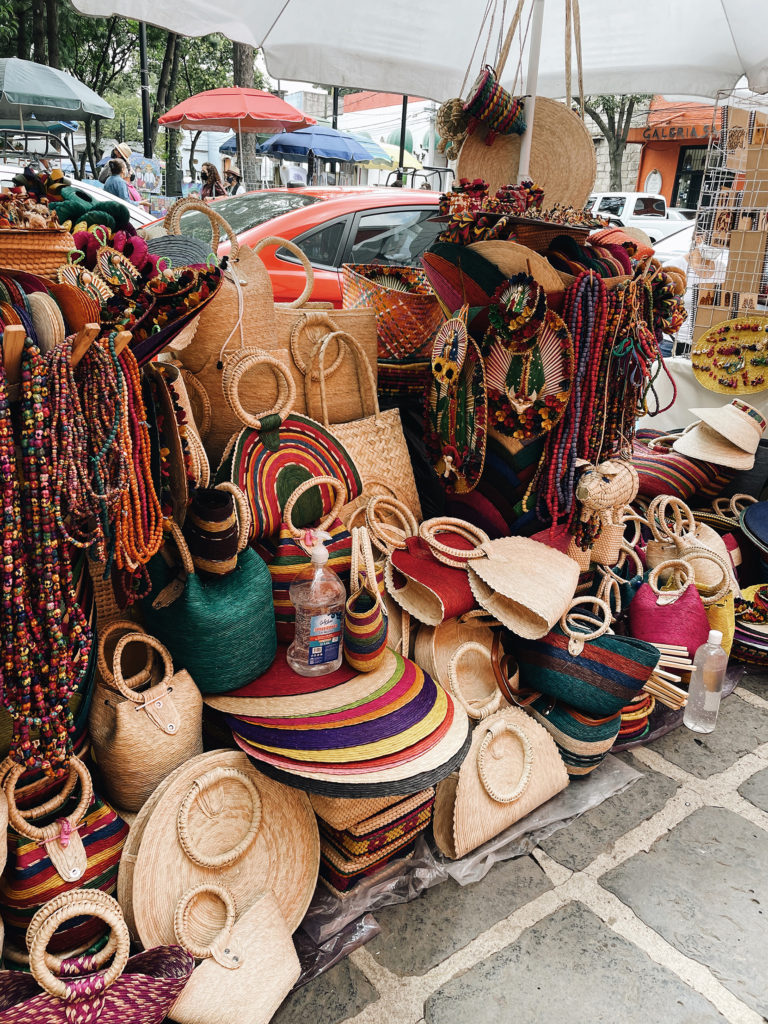
Currency is in the Mexican peso ($ MXN), and no, you will not be able to use US dollars in CDMX. As of January 2026, $1 USD = $17.80 MXN.
Quickly convert pesos to dollars in your head:
Move the decimal over 1 digit to left, then take that number and divide by 2.
Example: $100.00 MXN → 10.00 ÷ 2 = $5 USD
(Note: This example isn’t a perfect conversion, but it’ll get you close enough!)
What’s the best way to convert my cash to pesos?
These are 3 ways that I know of, ranked in order of my recommendation:
- Go to your local bank to convert your cash into pesos before your trip. This will get you the best exchange rate, but you will have to order the cash and pick it up a few days later, so plan ahead. Pro tip: Request small bills; a lot of businesses here will have a hard time breaking those $500 bills.
- Use a bank ATM in Mexico City (like Banorte, HSBC or BBVA). If you do this, be sure to DECLINE the ATM exchange rate! It sounds counter-intuitive, but declining will give you a better exchange rate. Note: You’ll still have to pay any fees that your bank charges for foreign bank transactions. If you have a Charles Schwab checking account and use your debit card to get cash from an ATM, your foreign ATM fees will be reimbursed!
- Bring the amount you want to convert with you and exchange your cash upon arrival at the airport. I do NOT recommend this route; it will get you the worst exchange rate of the 3 options. But if this is what you decide to do and you want the most bang for your buck, go to Terminal 1. (The worst rates will be in Terminal 2, the international terminal.) This is a great Youtube video that goes more in-depth on this.
How much cash will I need?
It’s hard to answer this without knowing how long you’ll be in Mexico City and what your itinerary is. If you think you’ll be doing a lot of shopping street markets, eating at a lot of street carts, or doing any tours, you’ll want a good amount of cash. Otherwise, most places take credit cards so you won’t need too much.
How much should I tip?
Restaurants: 10-12% for most, 15% for the nicer ones
Tour guides: 15-20%
Street food vendors: not necessary (but nice to do!)
Ubers/taxis: not necessary unless they help you with your luggage, then $10 MXN per bag
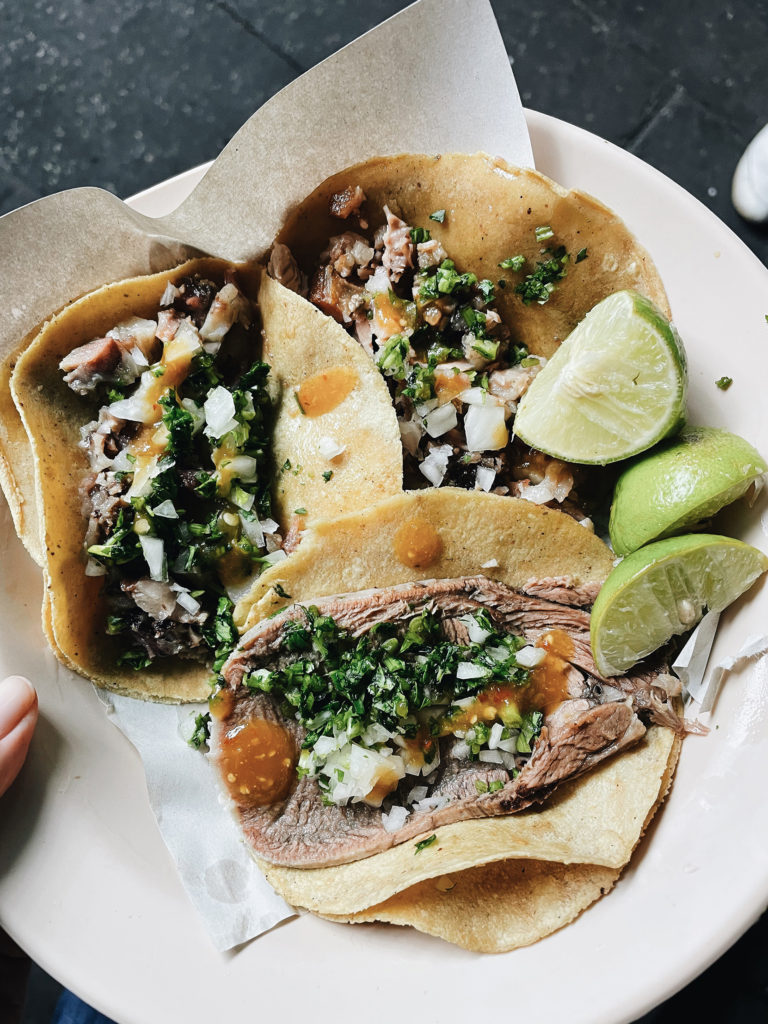
Will I get sick from the street food in Mexico City?
I hope you don’t, but the honest truth is you might. Even if you are religious with hand sanitizer and are careful to drink only bottled water, the simple truth is that your body may struggle with the unfamiliar ingredients here.
That said, you do not need to be scared of eating the street food in Mexico City! Just stick to the places with long lines and have at least 2 people working there. (One should be cooking, the other should be handling the money.) I would also suggest NOT eating street food for any of your first meals; give your stomach time to adjust to the different ingredients here before diving in.
In general, if a food item is supposed to be hot, then it should be hot, not warm. And if it’s meant to be cold, then it should be cold, not cool. So if a food cart or restaurant has communal salsas, onions and cilantro out for consumption, use with caution. If you suspect they’ve been sitting out for a long time and you have a sensitive stomach, it might be best to consider leaving them off your tacos (I know, sad face).
If you have a particularly sensitive stomach, you could bring charcoal pills or start taking probiotics starting 1 week before your trip and continue with them throughout your entire stay. I didn’t do either one, but it never hurts to be prepared.
Another thing to consider is talking to your doctor beforehand and come armed with any medication you might need for Montezuma’s Revenge. (Getting antibiotics in Mexico is actually harder than you think and will require getting a doctor’s prescription.) I ended up picking up Imodium at a local pharmacy and started eating yogurt drinks with probiotics, and while it did help, but it didn’t fully cure me.
Read next: What to Eat in Mexico City: The Best Restaurants, Tacos, Markets, Bars & More
Will I get sick from the water in Mexico City?
If you are careful and only drink/use bottled water, even when brushing your teeth, you’re going to be fine. A law was actually passed in 2015 requiring all restaurants to provide filtered water to their patrons, which means filtered water from the tap or bottled water. Water and ice from street vendors is where it can get dicey, so unless they are selling bottled water, I would move along.
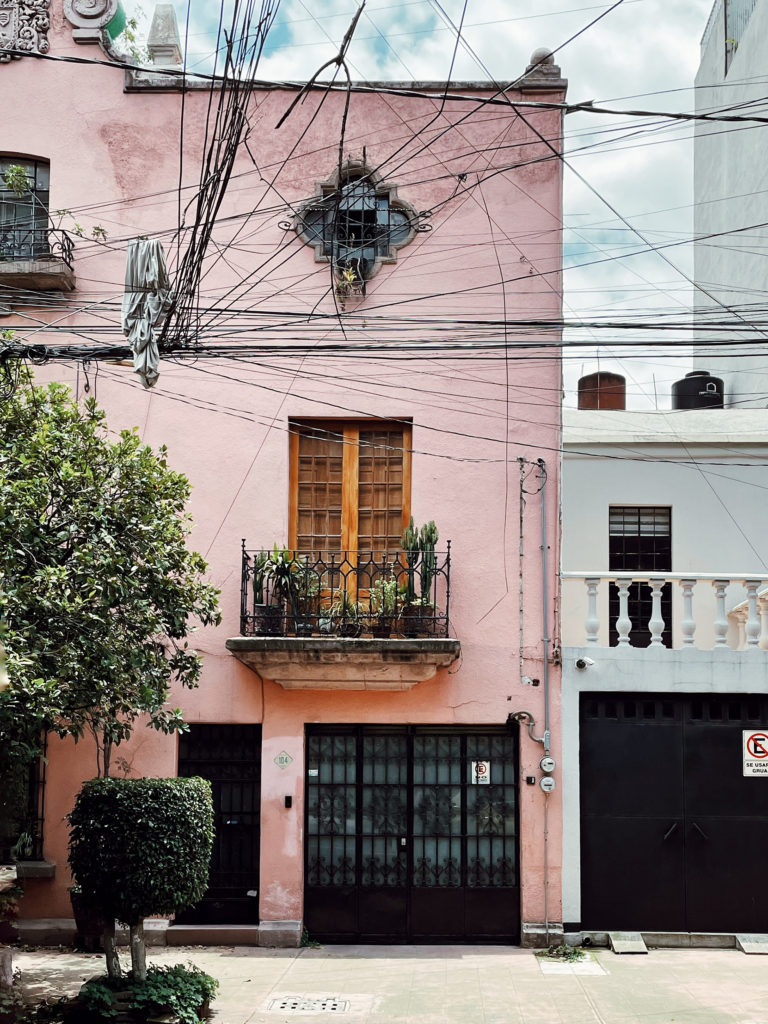
What neighborhoods should I visit in Mexico City?
Roma Norte – You’ll find most tourists and expats stay or live here. It’s hip and trendy, and there are tons of restaurants, cafes and boutiques. If you are looking for fun nightlife, this is the place to go.
La Condesa – Another tourist and foreigner favorite, this neighborhood is right next to Roma Norte. It’s also hip and trendy, but a bit more quiet. There are many great restaurants and 2 beautiful parks: Parque España and Parque México.
Centro: The historical city center is vibrant with lots of hustle and bustle. You’ll find the Zocalo here, as well as many taco spots, lots of history and beautiful historical architecture!
Polanco – The “Beverly Hills” of Mexico City, this area is very fashionable and high-end. Go here for some window shopping (or real shopping if you’ve got some cash to burn) and amazing fine dining experiences like Quintonil and Pujol. Some might think to skip this area, but I think it’s worth spending at least a few hours in.
Coyoacán – A 25-minute drive outside of the city center, this quiet and fashionable area is where you’ll find the Frida Kahlo museum, stuffed churros galore and one of my favorite markets: Mercado de Coyoacán. If you make the trek down here, I would suggest also visiting the neighboring area of San Ángel, then continuing further south to Xochimilco for party boat ride along The Floating Gardens.
Narvarte – Quiet, residential and arguably where the best tacos are!
Juárez – Just north of Roma Norte, this area is a mix of trendy with some grit, and has a mix of tourists and businesspeople. There are several speakeasy’s here, as well as Zona Rosa, Mexico City’s gay community with a vibrant nightlife. Juárez is also the center of the Korean population—which means lots of Korean BBQ restaurants!
Cuauhtémoc – North of Juárez, this is another quiet, residential neighborhood. It’s got a handful of great restaurants and coffee shops, and it’s not far from the heart of all the action of the city.
What neighborhoods should I avoid in Mexico City?
Doctores and Iztapalapa… and I suppose Tepito, too, but having been there several times for the Sunday-only Tianguis La Lagunilla (an antique flea market), I think Tepito’s reputation might be exaggerated. If you go to to that area, these are my tips:
- Go during the daytime
- Stay under the tents (tianguis)
- Don’t wear anything expensive or flashy
- Keep your belongings close to you
Where should I stay in Mexico City?
I would recommend staying in Roma Norte, La Condesa or Cuauhtémoc if it’s your first time here. All are central and safe neighborhoods with many things to do, see and eat within a small walking radius.
If you stay at an Airbnb and are planning to work remotely, I would message potential hosts for their wifi speed before you book (aim for 40+ mbps if you do a lot of video Zoom calls) and look for reviews that mention noise level, bed comfort and shower pressure. Also, CDMX is similar to Europe in that the 1st floor of a building is actually 1 flight of stairs up, so take that into account when booking an apartment in a building without an elevator!
Are there earthquakes in Mexico City?
A quake during your visit is unlikely, but yes, there are earthquakes in Mexico, and no, they they do not originate from Mexico City. The epicenters are usually off of the Pacific coast (hundreds of miles away from CDMX), but because the city was built on drained lakebeds, certain areas—like Centro Histórico, Roma and Condesa—feel the shaking a lot more than other parts.
There are earthquake sensors along the coast, and when they are triggered, an alarm will sound across the city. (This is what it sounds like.) The alert is designed to give everyone about 30 seconds of advanced warning, not to cause a panic.
What to do if you hear the alarm:
- Stay calm. Take a breath, it’s going to be ok!
- Follow locals’ cues. People who live here are very used to quakes, so go wherever they go and do whatever they do.
- If you’re on the 3rd floor or below, calmly but promptly exit the building via the emergency stairs if it’s safe to do so and the ground is not yet moving.
- If you’re on a higher floor, stay inside, move away from windows and get under something sturdy. Once the shaking stops, exit the building via the emergency stairs (in case of aftershocks).
What surprised you the most about Mexico City?
- The sidewalks are really uneven/in disrepair in a lot of places. Wear really comfortable close-toed shoes and watch the ground when walking to make sure you don’t trip.
- When eating at taco stands, you pay at the end. This really shocked me that they were so trusting that people wouldn’t run off before paying. But as I learned, they do this because they hope you will keep ordering more tacos—and you probably will!
- The air quality here can be pretty atrocious. If you are considered to be a sensitive individual, you should definitely keep tabs on the daily AQI.
- The city is SO green! There are parks everywhere (Bosque de Chapultepec is twice the size of Central Park in NYC) and almost every street is lined with trees and plants. As a plant mama, I was truly in paradise!
- The public bathrooms will cost you ~$5 MXN to use, so try to have small change. Also, for the ladies out there, it would be a good idea to pack a small amount of toilet paper or tissues in your bag because a few bathrooms I went to in Centro were completely out of toilet paper! I learned this the hard way.
Do you have a Google Map or list of your favorite Mexico City places?
So glad you asked; I SURE DO, and I’m always adding to it! It can look overwhelming, but it’s most useful when looking for a restaurant or something to do when you’re in a particular neighborhood.
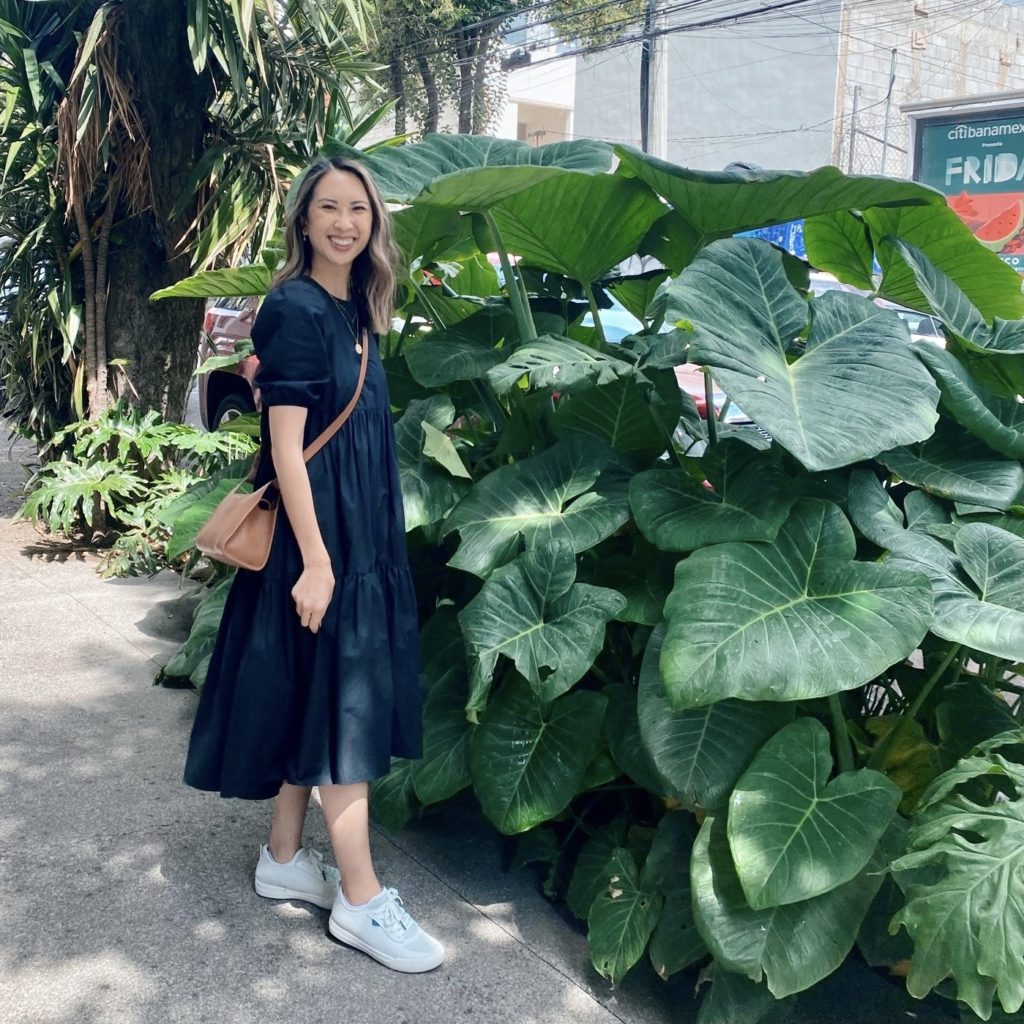
I hope this post was helpful! If you are planning a trip to Mexico City and have any other questions, leave a comment or shoot me a DM on Instagram.
Read next: What to Do in Mexico City: The Best Activities, Day Trips, Photo Spots and Shopping
1 Comment
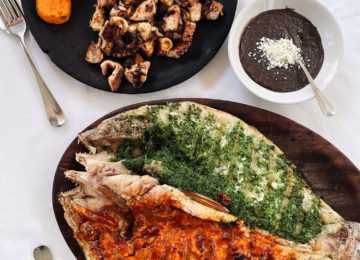
You have me drooling. That food looks so, so good!
July 31, 2022 at 3:08 pm